Commercial Plumbing Maintenance: Top 3 Vital Benefits 2025
Commercial plumbing maintenance might not be the first thing that comes to mind when thinking about business success, but its importance cannot be underestimated. Addressing these key points helps explain why this practice is crucial for businesses:
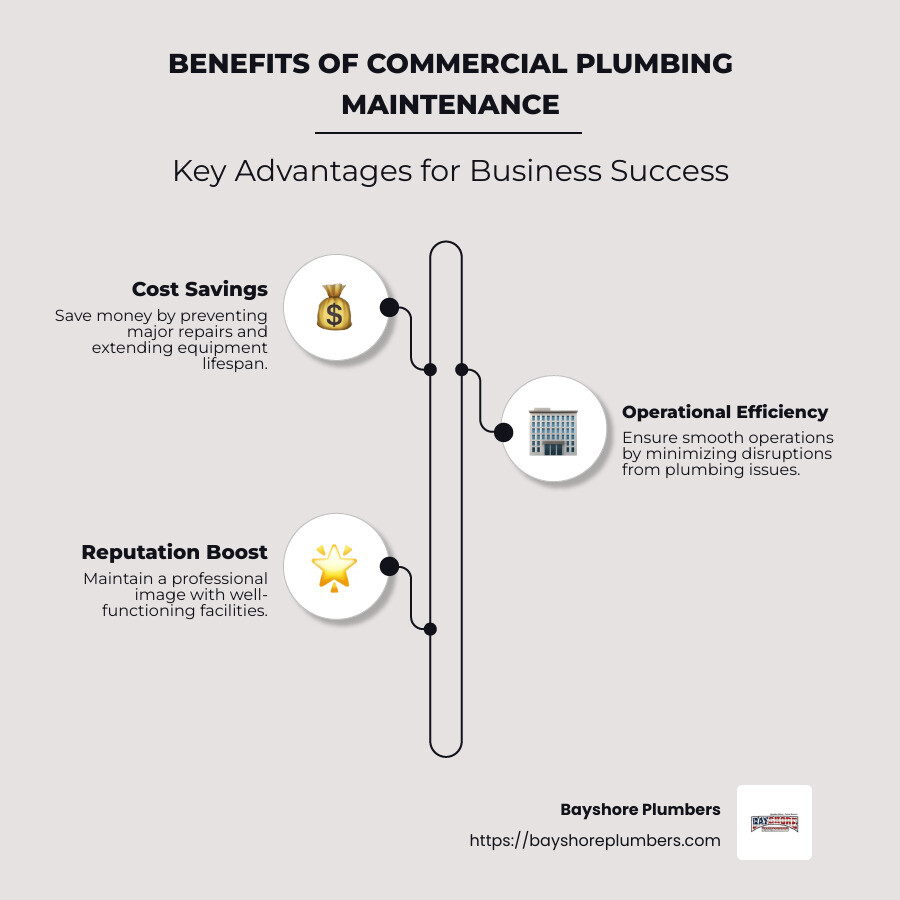
- Ensures uninterrupted operations by preventing plumbing issues.
- Improves your company’s reputation by keeping facilities pleasant and functional.
- Saves money by reducing the risk of costly repairs and extending equipment life.
Maintaining a business is much more than just offering quality products or services. The infrastructure, often taken for granted, plays a pivotal role in daily operations. Plumbing issues—like leaks or clogs—can be disruptive, resulting in lost productivity and potentially turning away customers. Regular maintenance ensures everything runs smoothly, providing peace of mind and helping to uphold your business’s professional image.
Regular plumbing maintenance is an investment. It involves checking for small issues before they become big problems, avoiding expensive repairs and replacements. It’s also about optimizing efficiency—ensuring water and energy aren’t wasted, which is eco-friendly and cost-effective.
We’ll dig into how maintaining your plumbing can give your business an edge by keeping operations smooth and costs lower.
Understanding the Importance of Commercial Plumbing Maintenance
Commercial plumbing maintenance is a hidden hero in business operations. It plays a crucial role in preventing emergencies, optimizing efficiency, and extending equipment lifespan. Let’s explore how each of these aspects benefits your business.
Preventing Emergencies
Imagine a minor leak turning into a major flood. That’s a nightmare scenario for any business. Regular maintenance helps catch these minor issues before they escalate. Leaks, clogs, and pipe deterioration are common problems that can disrupt operations. By addressing them early, you prevent costly repairs and maintain a smooth workflow.
-
Minor Leaks: Regular inspections can identify small leaks that might otherwise go unnoticed. Fixing these promptly avoids water damage and reduces water bills.
-
Clogs: Routine cleaning prevents blockages that could lead to overflows or backups. This is especially important in high-traffic areas like restrooms and kitchens.
-
Pipe Deterioration: Over time, pipes can corrode or wear out. Regular checks and maintenance can extend their life and prevent sudden failures.
Optimizing Efficiency
Efficiency isn’t just about speed; it’s also about conserving resources and saving money. A well-maintained plumbing system is key to achieving this.
-
Water Conservation: Fixing leaks and optimizing water flow reduces waste. Simple steps like installing low-flow fixtures can make a big difference.
-
Energy Savings: Efficient plumbing systems require less energy to operate. This reduces utility bills and supports sustainability goals.
-
Sustainability Goals: Businesses today are more focused on sustainability. Efficient plumbing helps meet these goals by minimizing water and energy use.
Extending Equipment Lifespan
Investing in plumbing maintenance is like buying insurance for your equipment. It ensures longevity and saves on capital expenditures.
-
Capital Expenditure: Replacing plumbing systems is costly. Regular maintenance delays this need, allowing you to allocate resources elsewhere.
-
Regular Maintenance: Scheduled checks and upkeep keep systems in top condition, preventing wear and tear.
-
Equipment Longevity: Proper care extends the life of your plumbing infrastructure, maximizing the return on your investment.
By focusing on commercial plumbing maintenance, businesses can avoid disruptions, save money, and promote eco-friendly practices. It’s an investment that pays off in the long run, keeping your business running smoothly and sustainably.
Next, we’ll explore how to determine the optimal timing for plumbing service to ensure your system remains in peak condition.
Determining the Optimal Timing for Plumbing Service
Scheduling the right timing for plumbing services is crucial to maintaining a healthy and efficient system. Let’s break down the key factors: scheduled inspections, seasonal considerations, and usage patterns.
Scheduled Inspections
Regular inspections form the backbone of effective plumbing maintenance. Depending on your facility’s needs, you can opt for quarterly, semi-annual, or annual inspections.
-
Quarterly Inspections: Ideal for facilities with high water usage or older plumbing systems. More frequent checks help catch issues early and keep everything running smoothly.
-
Semi-Annual Inspections: A good middle ground for most businesses. These inspections help ensure your system is in good shape and address any minor issues before they escalate.
-
Annual Inspections: Suitable for newer systems or facilities with minimal water usage. An annual comprehensive review can prevent surprises and keep your plumbing in peak condition.
Seasonal Considerations
Weather changes can put additional stress on plumbing systems. Being proactive can save you from headaches down the line.
- Winter Risks: Cold temperatures can lead to frozen pipes. Before winter sets in, ensure pipes are insulated and outdoor faucets are drained.
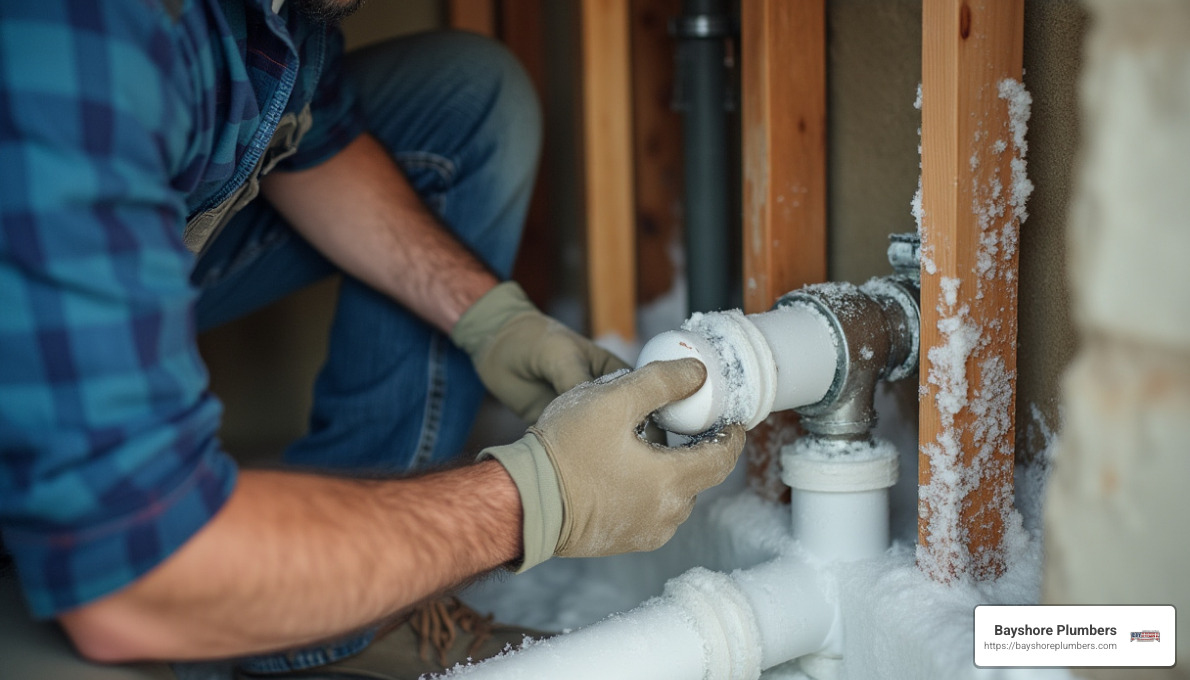
- Heavy Rainfall: Spring and summer rains can overwhelm drainage systems. Check and clean gutters and downspouts to prevent backups.
Taking these proactive checks seriously helps mitigate seasonal risks and ensures your system is ready for whatever nature throws its way.
Usage Patterns
Understanding how your facility uses water can guide your maintenance schedule.
-
High Occupancy: Facilities like hotels or large office buildings experience high water usage. More frequent checks are essential to prevent wear and tear.
-
Intensive Water Usage: Restaurants and healthcare facilities rely heavily on their plumbing systems. Regular maintenance is crucial to avoid disruptions in service.
-
Healthcare Facilities: These require stringent plumbing standards to ensure hygiene and safety. Frequent inspections are necessary to comply with health regulations and maintain a safe environment.
By tailoring your plumbing service schedule to these factors, you can keep your system running efficiently and avoid costly repairs. Next, we’ll dig into common commercial plumbing issues and how to prevent them.
Common Commercial Plumbing Issues and Prevention
In commercial plumbing maintenance, understanding common issues and their prevention can save businesses both time and money. Here, we’ll explore three prevalent problems: pipe corrosion, leaks, and clogs and blockages.
Pipe Corrosion
Pipe corrosion is often a hidden enemy within plumbing systems. It occurs due to the water’s chemical composition, the piping material, and the age of the plumbing system. Over time, this corrosion can lead to leaks, water damage, and even contamination.
Prevention Tips:
- Use Protective Coatings: Applying protective coatings can extend the lifespan of pipes by shielding them from corrosive elements.
- Corrosion Inhibitors: These chemicals form a protective layer inside pipes, slowing down the corrosion process.
- Choose Resistant Materials: Opt for materials like copper or plastic, which resist corrosion better than others.
Leaks
Leaks are more than just a nuisance; they can lead to significant water waste and structural damage if not addressed promptly. Detecting leaks early is crucial.
Detection Methods:
- Acoustic Sensors: These devices pick up the sound frequencies of water escaping, making it easier to locate hidden leaks.
- Thermal Imaging: This technology detects temperature differences caused by leaking water, providing a visual map of potential problems.
- Visual Inspection: Regularly check visible plumbing for signs of moisture or drips.
Clogs and Blockages
Clogs can disrupt operations and lead to costly repairs. They often result from improper disposal of materials like grease and non-biodegradable items.
Prevention and Solutions:
- Proper Grease Disposal: Educate staff about the importance of disposing of grease and oils correctly, rather than pouring them down drains.
- Hydrojetting: For severe blockages, hydrojetting uses high-pressure water jets to clear clogs effectively.
- Drain Openers: Regularly use store-bought drain openers or a baking soda and vinegar mixture to maintain clear pipes.
By addressing these common issues proactively, businesses can maintain a more efficient and reliable plumbing system. Next, we’ll explore the ROI of a Preventative Plumbing Maintenance Schedule and how it can benefit your bottom line.
The ROI of a Preventative Plumbing Maintenance Schedule
When it comes to commercial plumbing maintenance, the return on investment (ROI) is not just a number—it’s a strategy for saving money and avoiding headaches. Here’s how you can calculate and understand the ROI of a preventative maintenance schedule.
Calculating ROI
Cost Savings vs. Emergency Rates
Imagine this: a pipe bursts in your building late at night. The emergency repair costs are sky-high, and the water damage disrupts your business operations. This scenario is expensive, both in terms of repair costs and business downtime.
Preventative maintenance helps avoid such emergencies. Regular inspections and maintenance activities are scheduled at predictable costs, which are typically lower than emergency rates. By addressing issues like leaks or corrosion before they escalate, you save significantly on potential damages and repairs.
Predictable Costs
With a preventative maintenance plan, you know what to expect. The costs for regular inspections, cleaning, and minor repairs are predictable. This allows businesses to budget more effectively, avoiding the financial strain of unexpected plumbing issues.
Savings Estimation
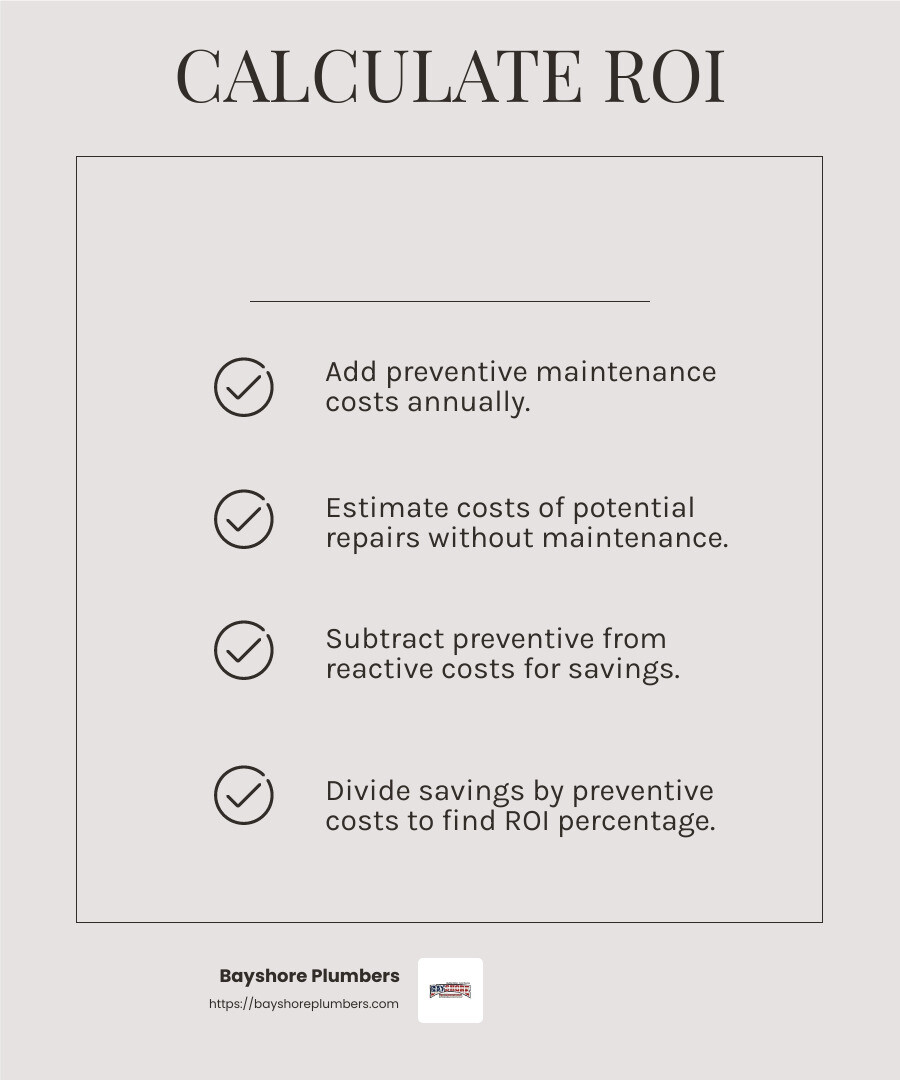
Here’s a simple way to estimate your savings:
- Add up all costs associated with preventive maintenance over a year.
- Estimate the costs of major repairs, replacements, and potential damage cleanup that might occur without regular maintenance.
- Subtract the total preventive maintenance costs from the estimated reactive maintenance costs.
This difference represents the amount saved by avoiding major repairs and damage. To calculate the ROI as a percentage, use the formula:
By investing in a proactive approach, businesses can see substantial savings and enjoy peace of mind knowing their plumbing systems are in top shape.
In the next section, we’ll tackle some frequently asked questions about commercial plumbing maintenance, shedding light on what kind of upkeep is necessary for a commercial building.
Frequently Asked Questions about Commercial Plumbing Maintenance
What kind of maintenance does a commercial building require?
Commercial plumbing maintenance involves regular inspections, repairs, and replacements to keep the plumbing system running smoothly. Inspections help identify potential issues like leaks or corrosion before they become major problems.
Routine maintenance includes servicing plumbing fixtures such as toilets, sinks, and faucets to ensure they function properly. In commercial settings, this is crucial because a single malfunction can disrupt business operations and cause inconvenience to employees and customers.
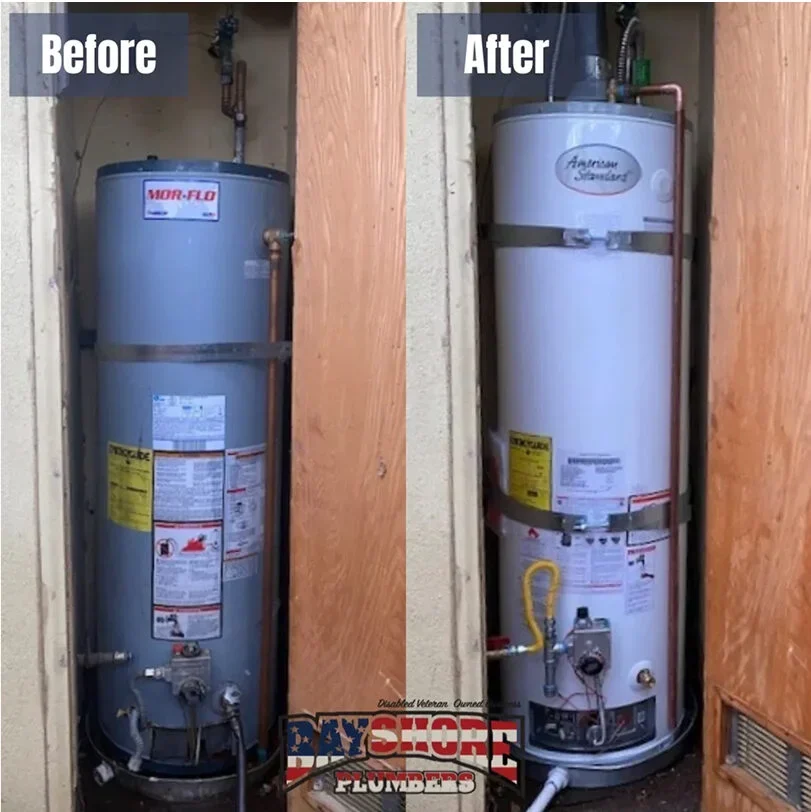
Preventive maintenance is key. It involves checking mechanical systems, like pumps and water heaters, to prevent breakdowns and extend their lifespan. By addressing small issues early, businesses can avoid costly repairs and downtime.
What does plumbing maintenance do?
Plumbing maintenance in commercial settings does more than just fix leaks. It ensures that all plumbing fixtures and systems are in optimal condition. This includes:
- Inspecting for signs of wear and tear or potential failures.
- Repairing any minor issues before they escalate.
- Replacing old or damaged components to prevent future problems.
Regular maintenance also includes cleaning drains to prevent clogs and testing water quality to ensure safety and compliance with regulations. By keeping the plumbing system efficient, businesses can conserve water and energy, aligning with sustainability goals.
What is commercial service plumbing?
Commercial service plumbing involves a comprehensive approach to maintaining the plumbing systems in businesses. This includes preventive maintenance and addressing the unique needs of commercial properties.
In commercial settings, plumbing systems are often more complex and handle higher volumes of water and waste. This means regular checks and maintenance are crucial to prevent disruptions. Service plumbing for commercial buildings includes:
- Mechanical systems maintenance to ensure pumps and water heaters are functioning efficiently.
- Regular inspections to detect early signs of issues like pipe corrosion or leaks.
- Emergency repairs when unexpected problems arise, although a good maintenance plan minimizes these occurrences.
In conclusion, commercial plumbing maintenance is about keeping everything running smoothly, from the smallest fixtures to the largest mechanical systems. By investing in regular upkeep, businesses can avoid costly repairs, ensure compliance with regulations, and support their operational efficiency.
Conclusion
At Bayshore Plumbers, we understand the critical role that commercial plumbing maintenance plays in ensuring business success. Proactive maintenance is not just about fixing leaks or unclogging drains—it’s about safeguarding your business from potential disruptions and costly emergencies.
Regular maintenance helps prevent minor issues from escalating into major problems. By conducting routine inspections and timely repairs, businesses can maintain the efficiency of their plumbing systems, reduce energy and water consumption, and extend the lifespan of their equipment. This proactive approach aligns with sustainability goals and contributes to cost savings.
Our team at Bayshore Plumbers specializes in a range of services custom to meet the unique needs of commercial properties. From drain cleaning and video inspections to hydro flushing and sewer line repairs, we offer comprehensive solutions that keep your plumbing systems in top condition. Our expertise in trenchless technology, seismic valves, and main water line replacements ensures that you receive the best care for your infrastructure.
Partnering with Bayshore Plumbers means more than just maintenance; it means investing in peace of mind. Our commitment to quality and reliability ensures that your business operations remain uninterrupted, allowing you to focus on what truly matters—growing your business.
For more information on how we can assist with your commercial plumbing needs, visit our service page and take the first step towards a well-maintained and efficient plumbing system. Together, let’s create a plumbing maintenance plan that supports your business success.