Inspection
Diagnosis
Safe Containment
Gas leaks are serious — but they don’t have to be scary. With prompt attention and professional care, Bayshore Plumbers helps you detect, isolate, and resolve gas line issues quickly and safely.
Our technician will first check for strong odors, hissing sounds, or signs of immediate danger. If needed, we’ll safely shut off your gas supply at the main shutoff valve.
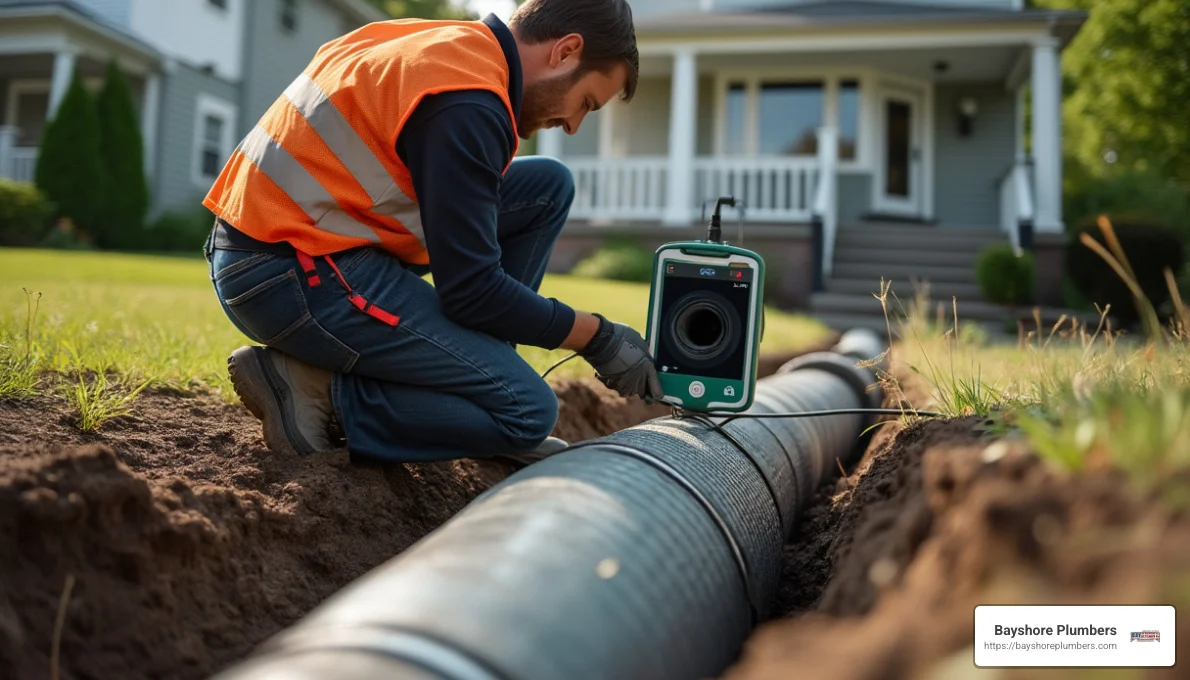
We use advanced digital gas detectors and/or bubble testing to pinpoint leaks along accessible lines, fittings, valves, and appliances.
We isolate the affected portion of the gas system using valves or temporary capping to prevent further leakage.
A pressure test (typically with air) confirms the location and severity of the leak.
Based on findings, we’ll provide clear repair or replacement options, safety upgrades, and (if needed) coordinate with your local utility for gas line restoration.
Time Estimate: 1 to 3 hours depending on the size of the system and leak accessibility.
Protecting your home and family from explosion or fire risks
Preventing carbon monoxide exposure
Ensuring continued use of gas appliances (water heaters, stoves, dryers, furnaces)
Staying compliant with local building and safety codes
Bayshore Coin Rewards
Think of it as a fire alarm for your plumbing system — invisible, but absolutely vital.
A gas leak can stem from cracked piping, rusted joints, poor seals at appliances, or even underground line damage. Our goal is to find the exact source fast — and fix it right the first time.
Our technician may offer the following based on location, pipe material, and the severity of the leak:
Fix or reseal a leaky joint or fitting
Replace a small section of faulty gas pipe
Rerun the full gas line to modern code with durable materials
Modernize with coated steel, CSST (corrugated stainless steel), or underground-rated piping for long-term performance
Repair
Pros
Quick, affordable, minimal disruption.
Cons
May not prevent future leaks nearby.
Budget
$
When it’s best used
Small, accessible leaks at joints or valves.
Time to complete
1 – 2 hours
Spot Repair
Pros
Contains the issue and restores safety.
Cons
Patching aging lines may cause future issues.
Budget
$$
When it’s best used
One-off leaks on a longer run
Time to complete
1 – 4 hours
Full Replacement
Pros
Long-term reliability, code compliant
Cons
Higher upfront cost, more wall/floor access
Budget
$$$
When it’s best used
Corroded, old, brittle, or undersized piping
Time to complete
1 day+ (project dependent)
Upgrade
Pros
Modern, flexible pricing, fewer joints
Cons
Not suitable in all exposed areas
Budget
$$ – $$$
When it’s best used
Modern homes or retrofits
Time to complete
4 – 6 hours
Get your FREE copy of our safety checklist below.
By clicking “Get Our Copy” you’re confirming that you read our Privacy Policy

Smell gas or need a peace-of-mind inspection?
Call Bayshore Plumbers now — your safety is our mission.
What are the signs of a gas leak in my home?
Common signs include a sulfur or rotten egg smell, hissing sounds near gas lines or appliances, dying houseplants, or unusually high gas bills. If you suspect a leak, leave the area immediately and call us for inspection.
What should I do if I smell gas?
Open windows and doors if it’s safe, evacuate your home, and avoid using light switches, phones, or anything electrical. Once outside, call your gas company or a licensed professional like Bayshore Plumbers to locate and isolate the leak.
How do you detect and isolate gas leaks?
We use professional-grade digital gas detectors, bubble testing, and pressure tests to pinpoint leaks. We then isolate the affected section of piping and provide repair or replacement options — all done with safety as the top priority.
Will I be without gas while the repair is being done?
Yes — for safety, we temporarily shut off the gas supply to isolate the leak. Once repairs are complete and tested, we coordinate with you (and the utility company if needed) to safely restore service.
How long does gas leak detection and repair usually take?
Most inspections and minor repairs are completed within 1 to 3 hours, depending on the size of your system and the leak’s location. Larger repairs or full gas line replacements may take longer, especially if walls or floors must be accessed.
How can I prevent future gas leaks?
Have your gas system professionally inspected every 1–2 years, especially if you live in an older home or use multiple gas appliances. Replacing aging pipes with modern materials like CSST or coated steel can also reduce long-term risk.
Water Heater Special for as low as $1900. Call Now!