Causes of Water Leaks in a Household: 5 Shocking Facts
Causes of water leaks in a household can lead to serious trouble, including structural damage, mold growth, and expensive repairs. These sneaky problems might start small, like a drip from the kitchen faucet, but they can quickly escalate if ignored. Understanding these common culprits helps homeowners stay a step ahead of potential plumbing disasters.
- Faulty Faucets: Persistent drips often indicate worn-out parts.
- Broken Seals: Aged or damaged seals in appliances can lead to leaks.
- Clogged Water Lines: Obstructions can cause pipes to burst.
- Corrosion: Rusty pipes are a classic sign of aging plumbing.
- Damaged Pipe Joints: Weak joints often lead to hidden leaks.
- Excess Water Pressure: High pressure strains your plumbing system.
Awareness of these issues can preserve your home’s integrity and keep unexpected repair costs at bay. Fixing these leaks not only saves water but also significantly cuts down on water bills—sometimes by up to 10 percent.
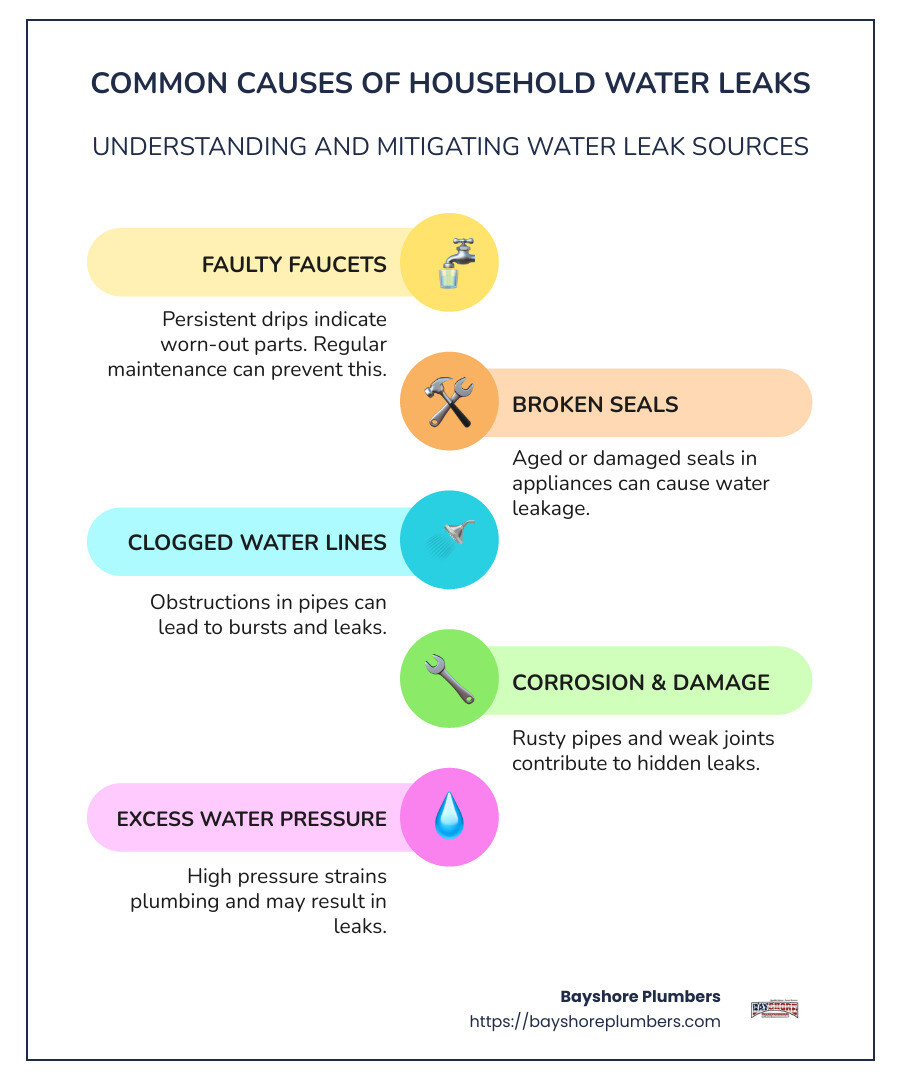
Common Causes of Water Leaks in a Household
Faulty Faucets:
A dripping faucet might seem like a minor annoyance, but it can waste over 3,000 gallons of water a year. This often happens due to worn-out washers, gaskets, or seals. Fixing these components is usually simple and can save you money on water bills.
Broken Seals:
Appliances like dishwashers and washing machines have seals around water connections. Over time, these seals can deteriorate, leading to leaks. Condensation or pooling water near appliances can signal a broken seal that needs attention.
Clogged Water Lines:
Clogs are not just inconvenient—they can lead to significant damage. When a line is blocked, it can cause pressure to build up, potentially bursting pipes. Regular maintenance and cleaning of drains can help prevent clogs that lead to leaks.
Corrosion:
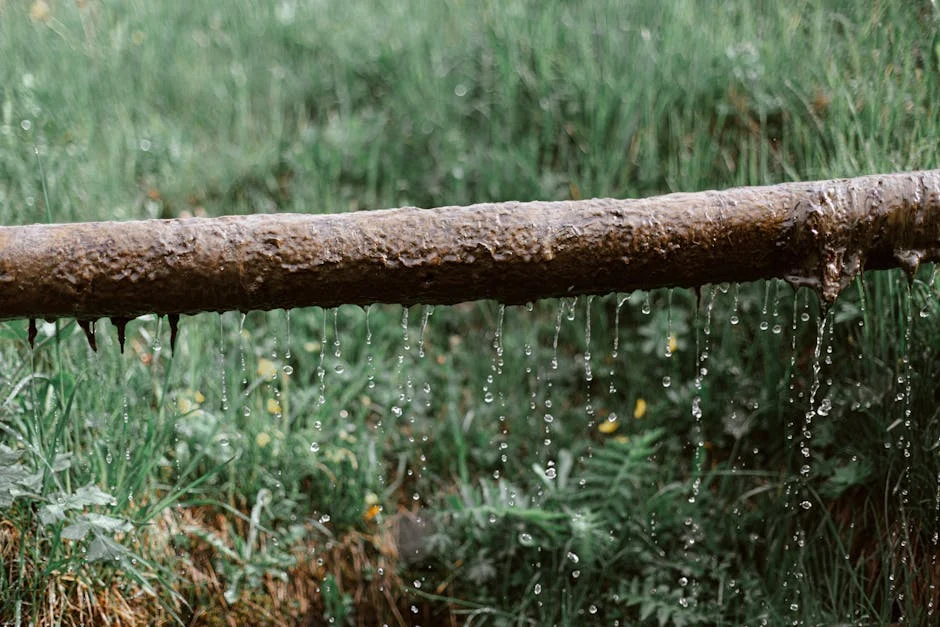
Older plumbing systems are prone to corrosion, especially if they use galvanized iron or lead pipes. Rusty or thinning pipes indicate corrosion and should be replaced to prevent leaks. Modern materials like copper or plastic are more resistant and offer a longer lifespan.
Damaged Pipe Joints:
Pipe joints are vulnerable points in a plumbing system. Over time, joints can weaken due to shifts or pressure changes, causing leaks. Listen for unusual noises like ticking or banging when using hot water—these can be signs of stressed joints.
Excess Water Pressure:
While high water pressure might feel luxurious, it can strain pipes and fittings, leading to leaks. Keeping water pressure within a safe range protects your plumbing and prevents leaks.
Tree Roots:
Outside the home, tree roots can be a hidden menace. Trees naturally seek out moisture, and a small leak can attract roots that may wrap around or penetrate pipes, causing larger leaks. If you notice wet patches or sinkholes in your yard, it might be time to check for root intrusion.
Loose Connectors:
Over time, connectors in your plumbing system can become loose due to vibrations or shifts, leading to leaks. Regularly checking and tightening these connections can prevent water damage.
Rapid Temperature Changes:
Sudden changes in temperature can cause pipes to expand and contract, leading to cracks or burst pipes. Insulating pipes and maintaining a stable indoor temperature can help mitigate this risk.
Understanding these common causes of water leaks in a household is crucial for preventing damage and maintaining the integrity of your home. Regular inspections and maintenance can catch problems early, saving you time and money in the long run.
Signs of a Household Leak
Detecting a water leak early can save you from costly repairs and damage. Here are some telltale signs that you might have a leak:
Increased Water Bills
An unexpected spike in your water bill is often the first sign of a hidden leak. If your bill is suddenly much higher without any change in your usage habits, it’s time to investigate. A small leak can waste thousands of gallons of water, driving up costs significantly.
Decreased Water Pressure
If you notice that your shower or faucets aren’t delivering water with the same force, it could indicate a leak. Leaks reduce the amount of water reaching your fixtures, leading to lower pressure.
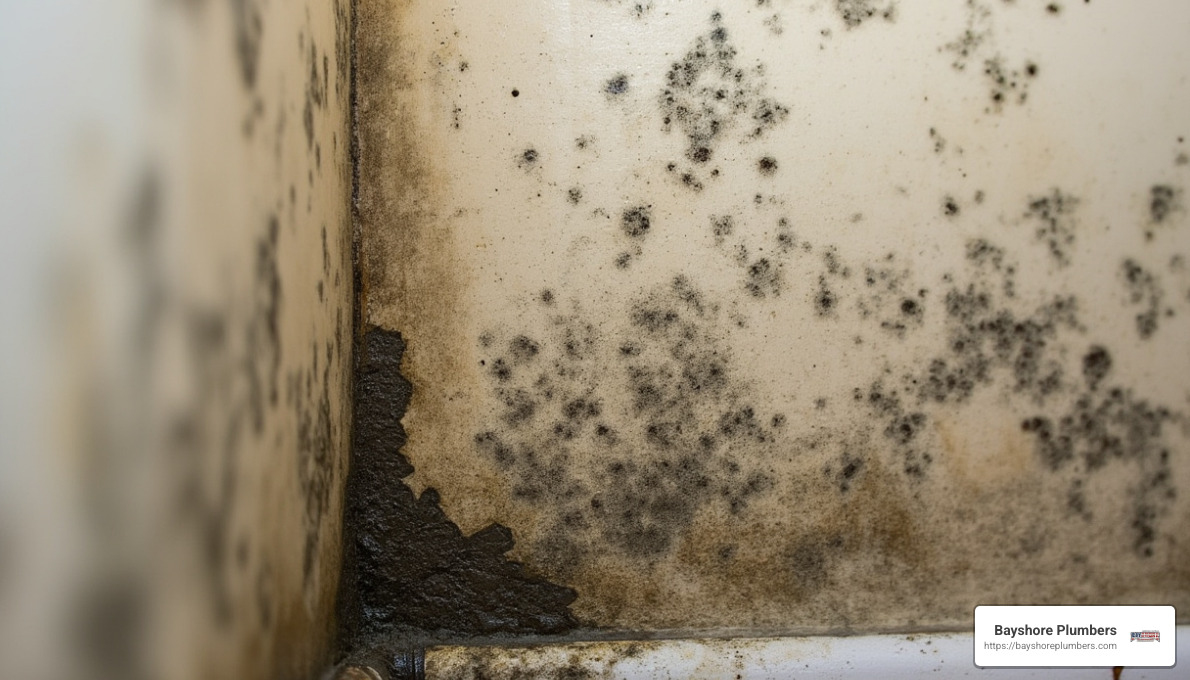
Mold Growth
Mold thrives in damp, hidden places. If you spot mold or mildew on walls, ceilings, or floors, it might be growing due to a nearby leak. Mold not only damages your home but can also pose health risks.
Peeling Paint
Water leaks can cause paint or wallpaper to peel, blister, or bubble. This is due to moisture seeping into walls and ceilings, loosening the adhesive properties of paint and wallpaper.
Sagging Floors
If your floors feel spongy or uneven, or if you notice warping, it could be a sign of water damage. This happens when water seeps into the subflooring, causing it to swell and sag over time.
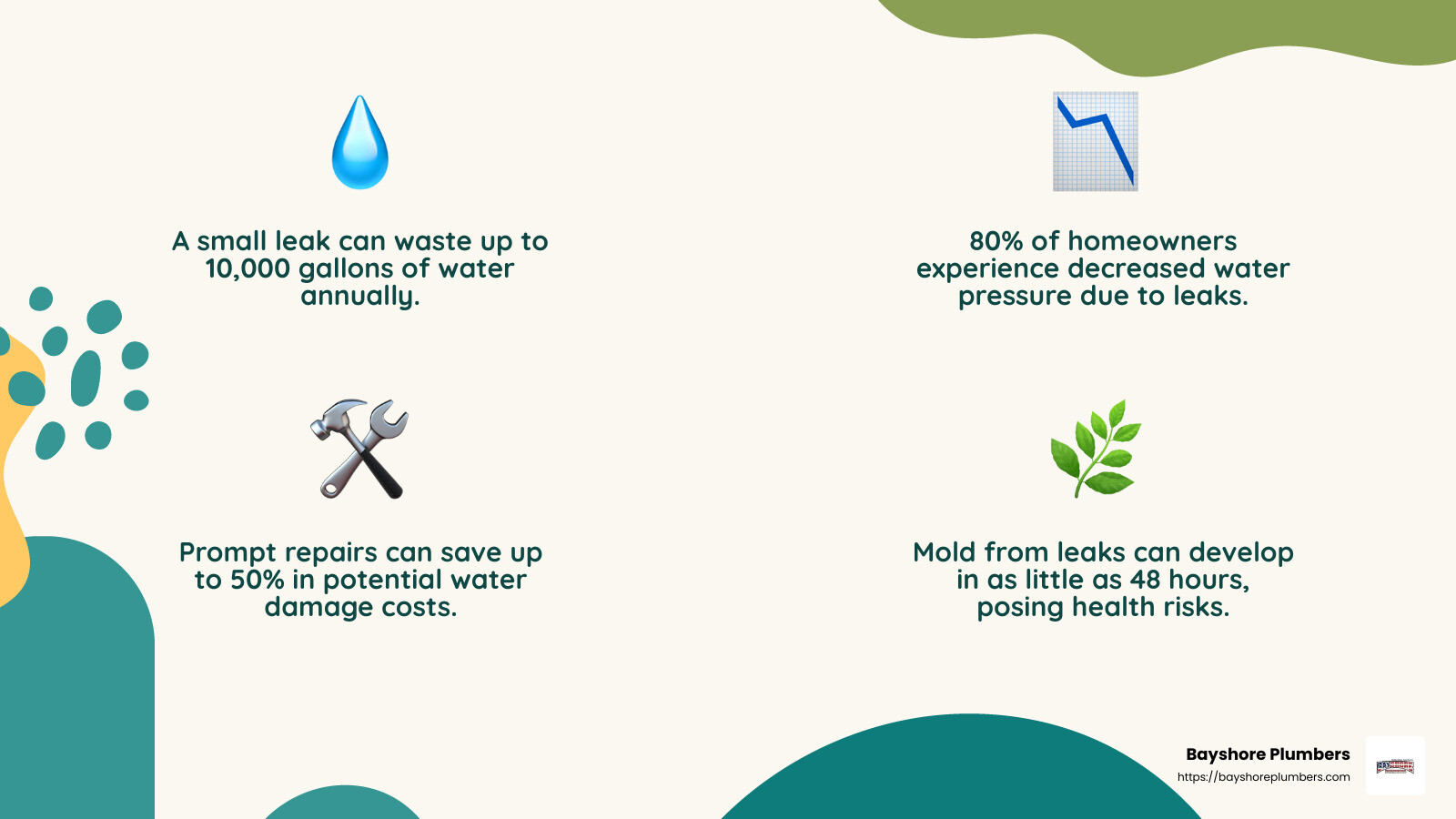
Recognizing these signs of a household leak early can prevent further damage and expensive repairs. If you suspect a leak, it’s crucial to act quickly to locate and fix the issue.
Preventing Water Leaks
Taking proactive steps can save you from the headaches and expenses of water leak damage. Here are some effective strategies to prevent leaks in your home.
Regular Maintenance
Regular maintenance is key to leak prevention. Schedule routine inspections of your plumbing system to catch potential issues early. A simple check-up can reveal small problems before they escalate into major leaks.
Tip: Keep an eye on your water bill for unusual spikes, as this could indicate a hidden leak.
Appliance Inspection
Appliances like dishwashers and washing machines are common culprits for leaks due to broken seals or faulty connections. Inspect these appliances regularly for signs of wear and tear. Look for puddles, condensation, or any unusual sounds during operation.
Pro Tip: Replace rubber seals and hoses every few years to avoid unexpected leaks.
Pipe Upgrades
Older homes might have pipes that are more prone to corrosion and leaks. If your home has galvanized steel pipes, consider upgrading to more durable materials like copper or PEX. Modern pipes not only last longer but also reduce the risk of leaks.
Stat: Galvanized steel pipes can start to fail after 20 years, while brass pipes can last up to 70 years.
Pressure Regulation
High water pressure might feel great in the shower, but it can strain your pipes, leading to leaks. Ensure your home’s water pressure is kept in check, ideally under 60 psi. You can install a pressure regulator to maintain safe levels throughout your plumbing system.
Fact: Most pipes and faucets are designed to handle water pressure up to 60 psi. Exceeding this can cause leaks or even bursts.
By incorporating these preventative measures, you can protect your home from the common causes of water leaks. Regular checks and timely upgrades can make all the difference in maintaining a leak-free household.
How to Detect and Fix Water Leaks
Detecting and fixing water leaks early can save you from costly repairs and prevent significant water damage. Here are some straightforward methods to identify and address leaks in your home.
Water Meter Check
One of the simplest ways to detect a leak is by using your water meter. Here’s how:
- Turn off all water: Ensure no water is being used inside or outside your home.
- Check the meter: Note the current reading on your water meter.
- Wait two hours: Ensure no water is used during this time.
- Recheck the meter: If the reading has changed, you likely have a leak.
Tip: This method is especially useful for spotting hidden leaks that aren’t immediately visible.
Food Coloring Test
To check for leaks in your toilet, use the food coloring test:
- Remove the toilet tank lid.
- Add a few drops of food coloring into the tank.
- Wait 10 minutes: Do not flush during this time.
- Check the bowl: If the color appears in the bowl, you have a leak.
Pro Tip: This usually indicates a faulty flapper, which is an easy DIY fix.
Professional Inspection
For leaks that are hard to find or fix, consider a professional inspection. Skilled plumbers use advanced technology to pinpoint leaks accurately. They can detect issues in:
- Walls or floors where leaks may not be visible.
- Underground pipes that are hard to access.
Case Study: A homeowner in Palo Alto finded a hidden leak inside a wall after noticing mold growth. A professional inspection revealed a damaged pipe joint, which was promptly repaired, saving the homeowner from extensive mold damage.
DIY Repairs
Once you identify a leak, some repairs can be done yourself:
- Dripping faucets: Often fixed by replacing washers or gaskets.
- Running toilets: Usually resolved by replacing the flapper or adjusting the chain.
- Loose connections: Tighten with a wrench or replace washers as needed.
Fact: Fixing simple leaks like dripping faucets and running toilets can save you about 10% on your water bills.
By using these methods, you can detect and fix water leaks before they become major problems. Regular checks and prompt repairs will keep your plumbing system in top shape, ensuring a safe and dry home.
Frequently Asked Questions about Causes of Water Leaks in a Household
What is the biggest contributor to water leaks inside a house?
The biggest contributor to water leaks inside a house is often faulty toilet flappers. Over time, these rubber parts can wear out or become misshapen, causing the toilet to run continuously. This constant running can waste a significant amount of water, leading to higher water bills. Another common culprit is dripping faucets, which can waste more than 3,000 gallons of water per year if left unchecked.
How can I find a water leak inside a wall?
Finding a water leak inside a wall can be tricky, but there are some telltale signs to watch for:
- Sound of running water: If you hear water running when no fixtures are in use, it might indicate a hidden leak.
- Wall discoloration: Look for spots or stains on your walls, which can suggest moisture buildup.
- Mold spots: Mold or mildew growing on walls, especially in non-humid areas, can point to a leak.
If you notice any of these signs, it may be time to investigate further or call a professional plumber for a thorough inspection.
What should I do if I find a water leak?
If you find a water leak, it’s crucial to act quickly to minimize damage:
- Turn off the water supply: Locate your home’s main water shutoff valve and turn it off to stop the flow of water.
- Contact a plumber: Reach out to a professional plumber, like those at Bayshore Plumbers, for assistance. They have the expertise to repair leaks efficiently and prevent further issues.
- Repair promptly: Address the leak as soon as possible. Delaying repairs can lead to more extensive damage and higher repair costs.
By taking these steps, you can protect your home from water damage and keep your plumbing system in good working order.
Conclusion
Water leaks can be a homeowner’s nightmare, but with the right knowledge and resources, you can tackle these issues head-on. At Bayshore Plumbers, we understand the stress that plumbing problems can bring, and we are here to help you every step of the way. Our expert team is equipped to handle everything from leak detection and repair to comprehensive plumbing services.
Leak prevention is key to maintaining a safe and efficient home. Regular maintenance, timely inspections, and addressing small issues before they become big problems can save you both time and money. For instance, keeping an eye on your water bill for unusual spikes or listening for the sound of running water when no fixtures are in use can alert you to hidden leaks.
As a veteran-owned business, Bayshore Plumbers is proud to offer premium services with a commitment to excellence. We provide a range of residential and commercial plumbing solutions, specializing in cutting-edge techniques like Perma-Liner Repairs and Hydro Flushing. Plus, our status as a Disabled Veteran Business Enterprise means we bring a unique dedication and discipline to every project we undertake.
Whether you’re dealing with a minor drip or a major deluge, our team is ready to assist you 24/7. We offer services in Redwood City, CA, and surrounding areas, ensuring that help is always just a phone call away.
Don’t let water leaks disrupt your life. Contact Bayshore Plumbers today and let us help you keep your plumbing system in top-notch condition. With our expertise and commitment, you can rest easy knowing your home is in good hands.